Available for conversations
Optimization EngineerProblem structuring, system architecture, performance
I take vague, tangled problems, give them a structure worth solving, design the system around that structure, and then make it fast. Nine years doing this across medical AI, trading, robotics, and developer infrastructure.

Yeonwoo Jeong · Seoul, South Korea
- 7
- Publications
- 9
- Years shipping
- 4
- Open-source tools
- SNU
- Ph.D.
ICML · CVPR · AISTATS
research → production
agent infrastructure
Combinatorial optimization
01 — About
How I work
01
Structuring the problem
Hard requirements arrive as a wish, not a specification. Deciding what is actually being optimized, and under what constraints, is where most of the leverage is — a problem framed well is half-solved, and framed badly no amount of engineering rescues it.
02
System architecture
Once the shape of the problem is clear, the system should follow it rather than fight it: where state lives, what runs on device versus server, which boundaries stay rigid so everything behind them can keep changing.
03
Optimization
Then make it fast — training that finishes in hours instead of years, a search space pruned until routing lands in sub-100ms, parsing cut by 10×, events handled at microsecond scale. A Ph.D. in combinatorial optimization is what makes this and the first step the same skill.
Selected results
years → hours
Reformulated optimal decision trees so industry-scale instances became trainable · DeepMetrics
sub-100ms
Near-optimal routing across hundreds of smart contracts via graph search with pruning · Eisen Finance
10×
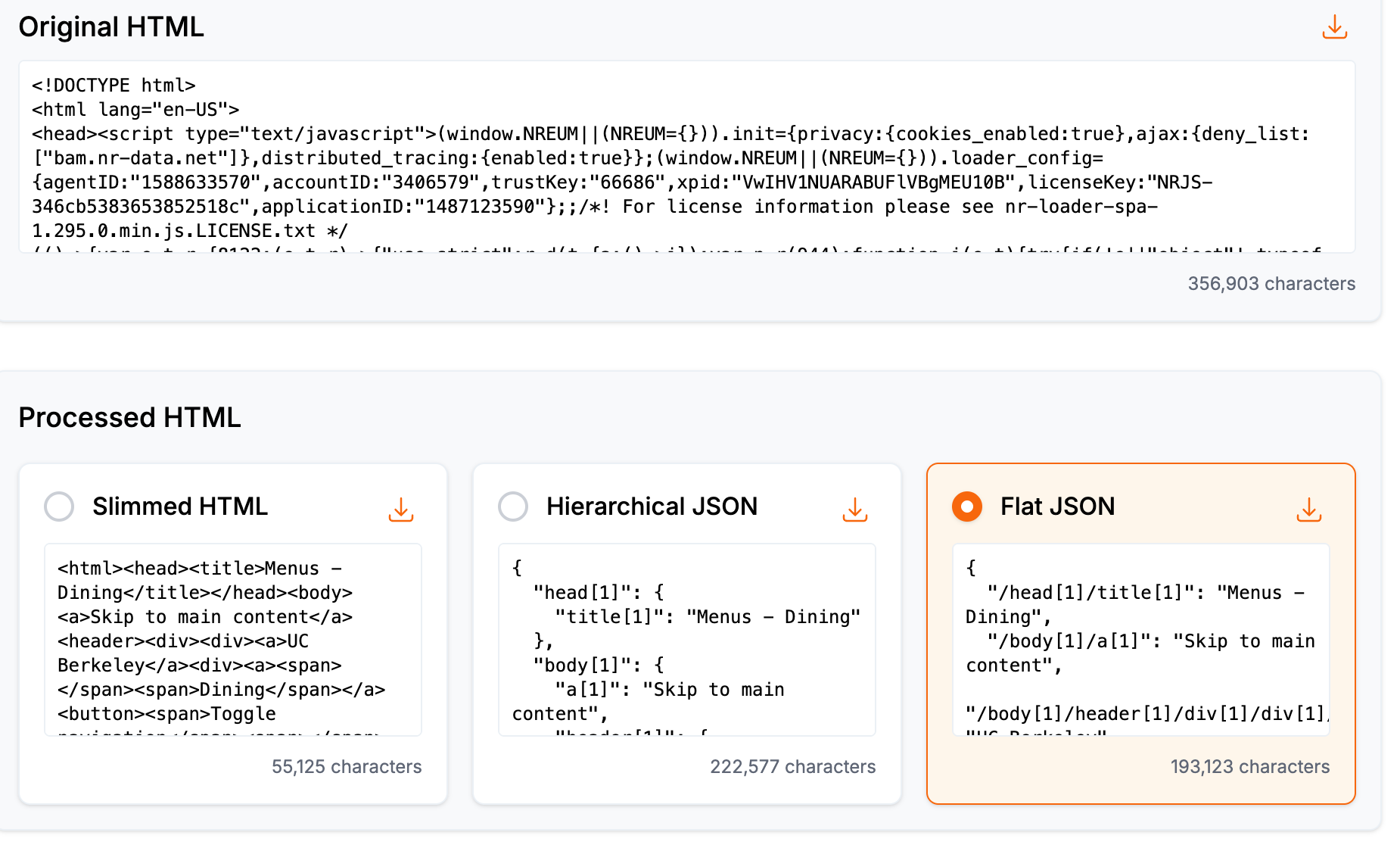
DOM parsing speedup in a hybrid LLM + structural web extraction system · Wordbricks
microseconds
Event handling for high-frequency execution on Polymarket · Alphanonce
real-time
On-device vs. server workload placement across a humanoid robot compute stack · Ludo Robotics
negotium
TypeScript · 2026 — Present
Host-agnostic multi-agent runtime
- Turns a single machine into a durable multi-agent node, running Claude Code, Codex, and Maestro backends with provider-native sessions preserved across turns.
- Generalizes Clawgram's orchestration into a reusable core — composable modules and local-first encrypted state behind a single adapter boundary, so new hosts plug into the same runtime.
TypeScriptBunSQLiteMCPmaestro-agent-sdk
TypeScript · 2026 — Present
Embeddable TypeScript agent SDK
- A composable agent SDK that reaches Claude Code-level agentic coding performance on non-Anthropic backends (DeepSeek, Kimi) — evidence that the agent loop, not the model, is the differentiator.
- Sessions, memory compaction, MCP tools, guardrails, and subagent delegation are independently composable behind one streaming interface.
TypeScriptESMMCPBun/Nodeclawgram
TypeScript · 2025 — Present
Telegram control layer for Claude Code
- In daily use by practicing lawyers on real case work. Private Mode masks PII with a pre-LLM hook before any prompt reaches the model, then unmasks on the response — confidential documents never leave the device unredacted.
- A multi-tenant orchestration layer maps Telegram forum topics to persistent, isolated Claude Code sessions, with MCP primitives that let sessions exchange context and delegate asynchronously.
TypeScriptBunFastAPIMCPPlaywright
Ludo Roboticsnow
Apr 2026 — Present
Physical AI Engineer · Seoul, KR
- Building the AI agent harness for the humanoid robot brain — orchestrating tool-use across perception, planning, and control, and serving trained VLM policies in the loop.
- Optimized CPU/GPU allocation and latency across the robot's compute stack, deciding workload placement (on-device vs. server) under real-time constraints.
PythonPyTorchVLM/VLAAlphanonce
Sep 2025 — Apr 2026
Software Engineer · Seoul, KR
- Developed and operated high-frequency trading strategies on Polymarket — real-time ingestion, signal pipeline, and low-latency execution with microsecond-scale event handling.
- Built an AI agent that analyzes on-chain wallet transactions to surface alpha signals directly from public blockchain state.
FoundrySolidityTypeScriptPythonWordbricks
Apr 2024 — Jul 2025
Deep Learning Engineer · Remote · Palo Alto, CA
- Designed a hybrid web extraction system pairing LLM content reasoning with deterministic DOM parsing — page structure constrains and verifies the model's output, with DOM optimization delivering a 10× speedup.
- Designed web macro automation that generalizes one user recording into many varied replays, so a single demonstration covers a whole class of pages.
TypeScriptNext.jsNestJSAWSCloudflare
- NeurIPS 2025
NEXT-EVAL: Next Evaluation of Traditional and LLM Web Data Record Extraction
S. Kim, N. Kim, Y. Jeong
BibTeX - ICBC 2023first author
Efficient Liquidity Providing via Margin Liquidity
Y. Jeong, C. Jeoung, H. Jeong, S. Han, J. Kim
BibTeX - ICML 2023
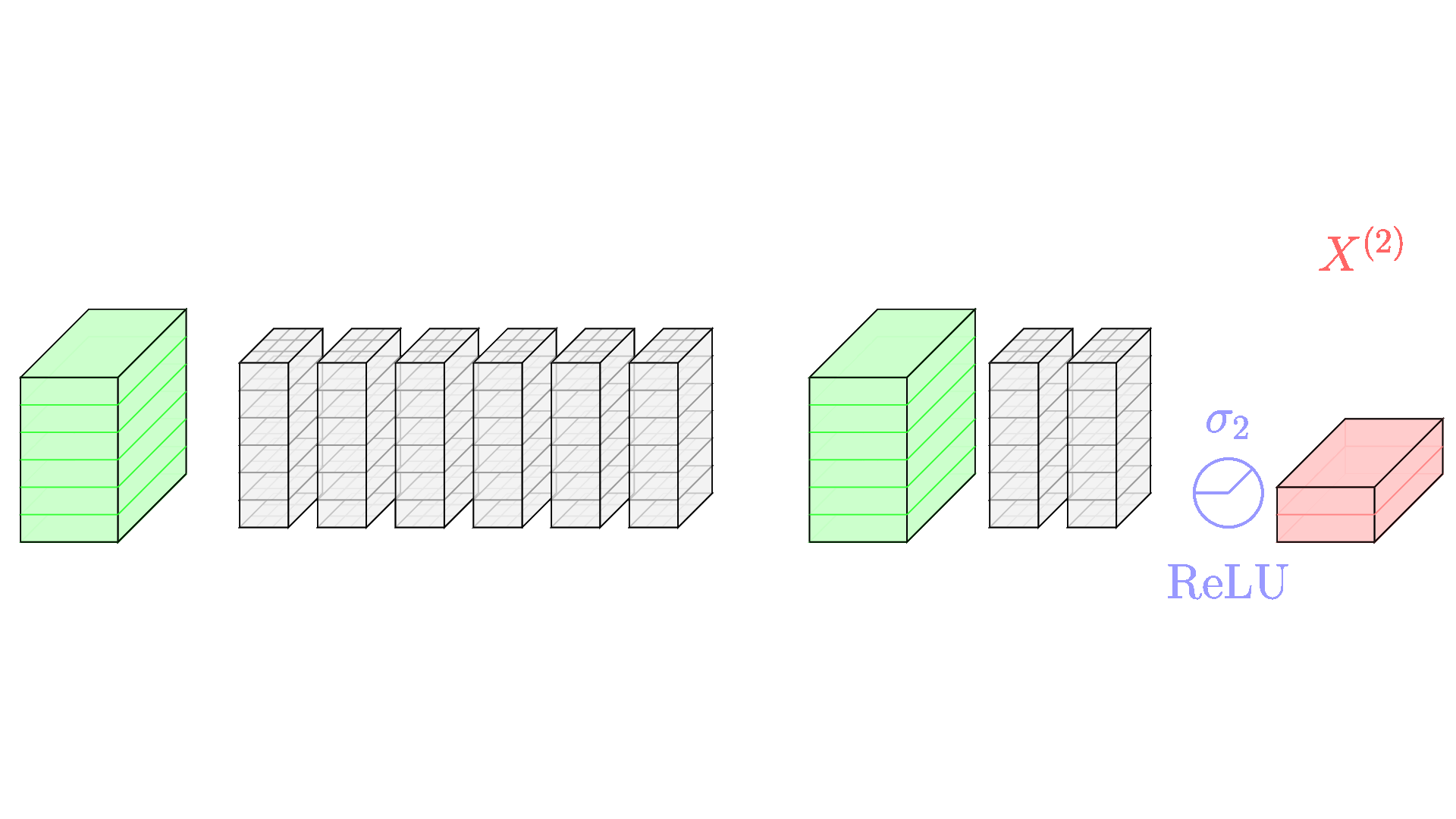
Efficient Latency-aware CNN Depth Compression via Two-stage Dynamic Programming
J. Kim, Y. Jeong, D. Lee, H. O. Song
BibTeX - AISTATS 2022first author
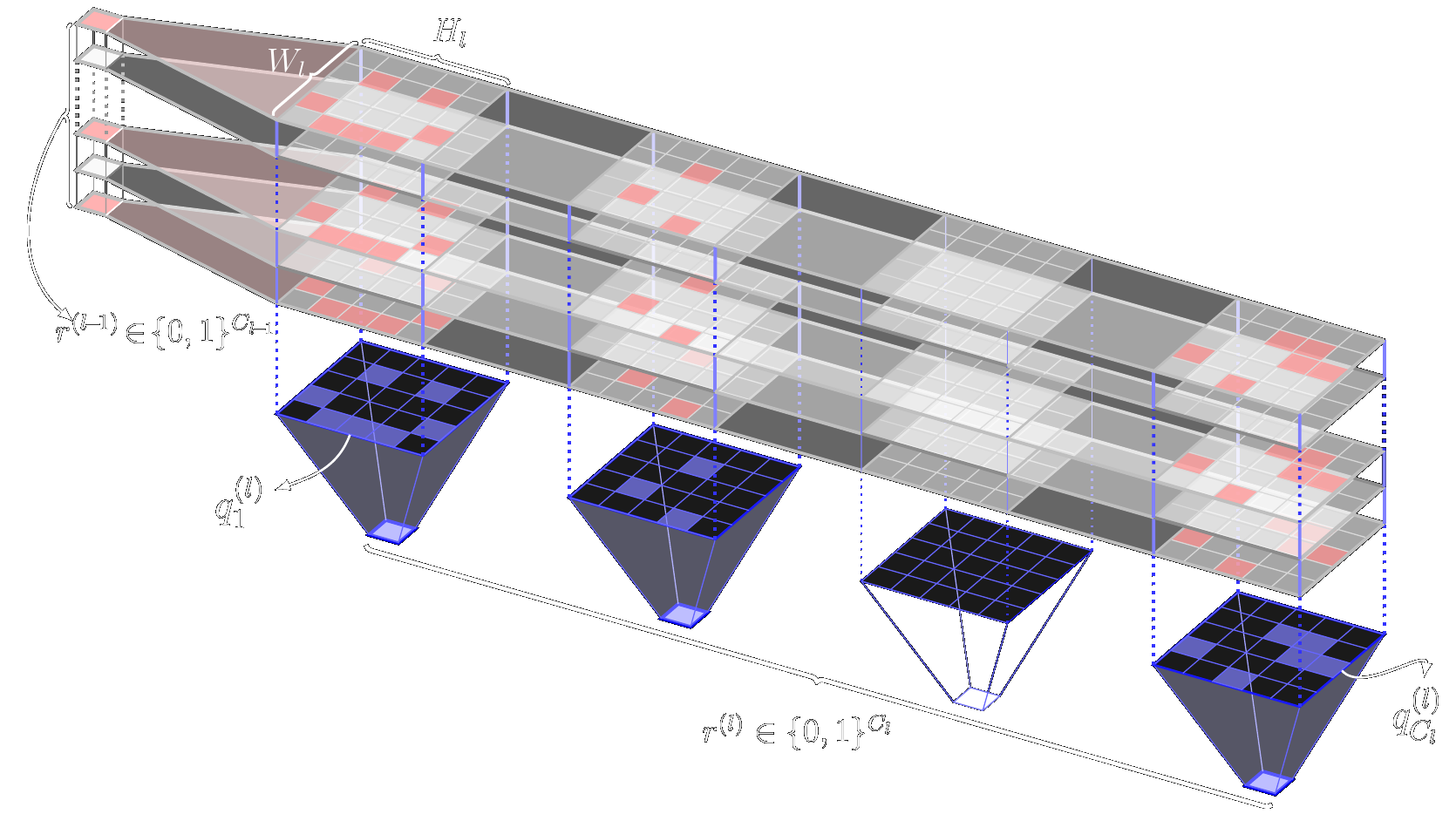
Optimal Channel Selection with Discrete QCQP
Y. Jeong, D. Lee, G. An, C. Son, H. O. Song
BibTeX - ICML 2019first author
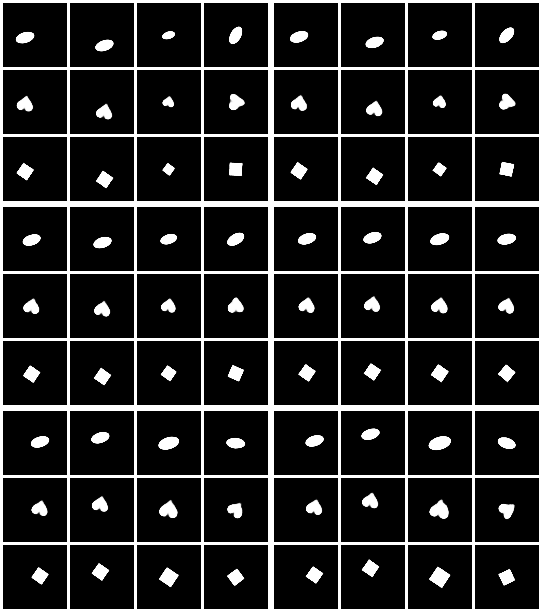
Learning Discrete and Continuous Factors of Data via Alternating Disentanglement
Y. Jeong, H. O. Song
BibTeX - CVPR 2019first author
End-to-end Efficient Representation Learning via Cascading Combinatorial Optimization
Y. Jeong, Y. Kim, H. O. Song
BibTeX - ICML 2018first author
Efficient End-to-end Learning for Quantizable Representations
Y. Jeong, H. O. Song
BibTeX