Research
Combinatorial optimization for deep learning
Ph.D. work on making neural networks efficient by treating the design choices — which channels, which layers, which codes — as discrete optimization problems with tractable solutions.
- NeurIPS 2025
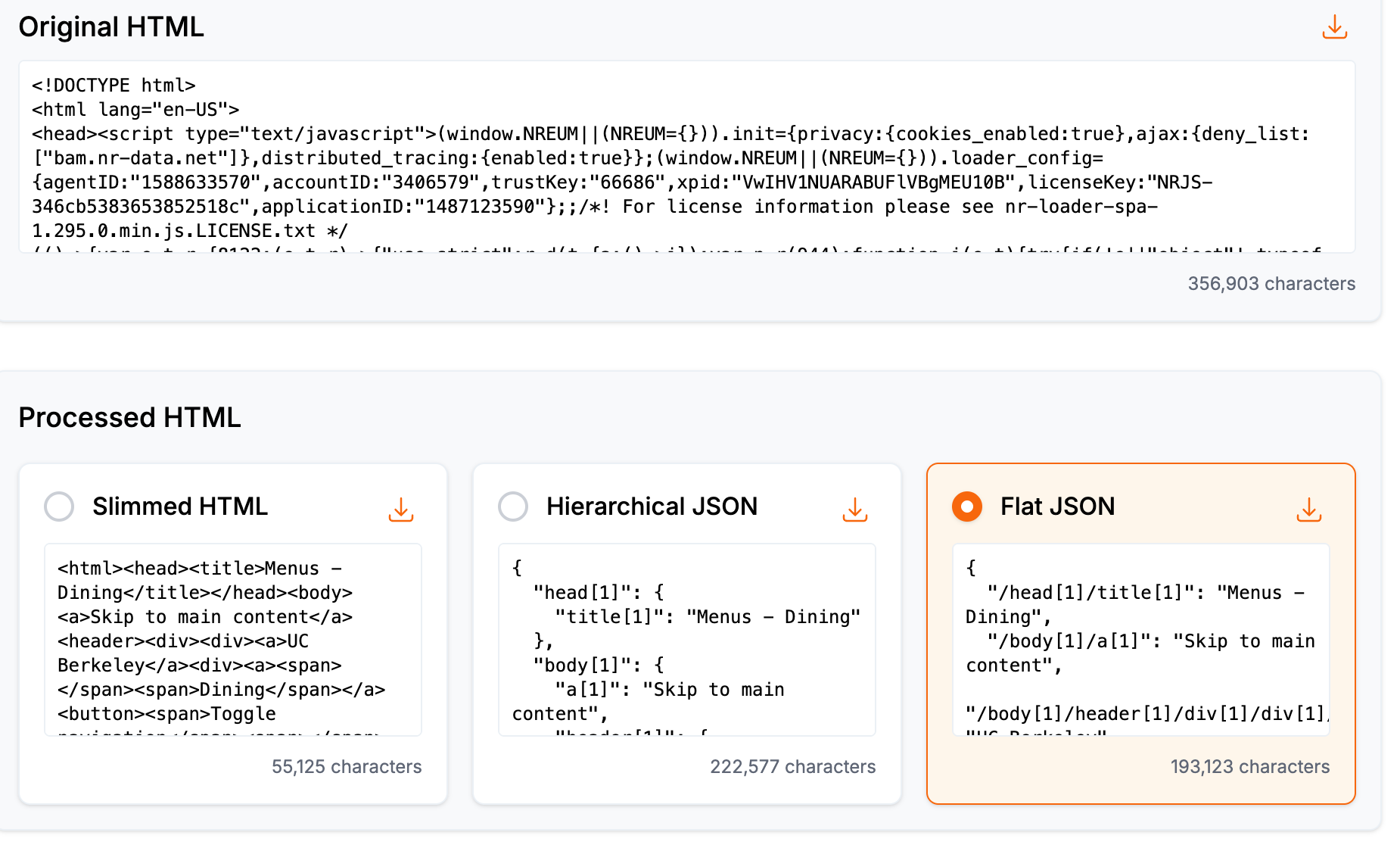
NEXT-EVAL: Next Evaluation of Traditional and LLM Web Data Record Extraction
S. Kim, N. Kim, Y. Jeong
- An evaluation framework comparing structure-based extractors against LLM extractors on identical pages, exposing distinct failure modes — hallucinated fields and schema drift versus brittleness across DOM variations.
- Feeding LLMs a flat JSON representation of the DOM instead of raw HTML recovers structural signal that is otherwise lost; the resulting hybrid reaches F1 0.9567.
- ICBC 2023first author
Efficient Liquidity Providing via Margin Liquidity
Y. Jeong, C. Jeoung, H. Jeong, S. Han, J. Kim
- Introduced margin liquidity to reduce divergence risk for liquidity providers in decentralized exchanges.
- ICML 2023
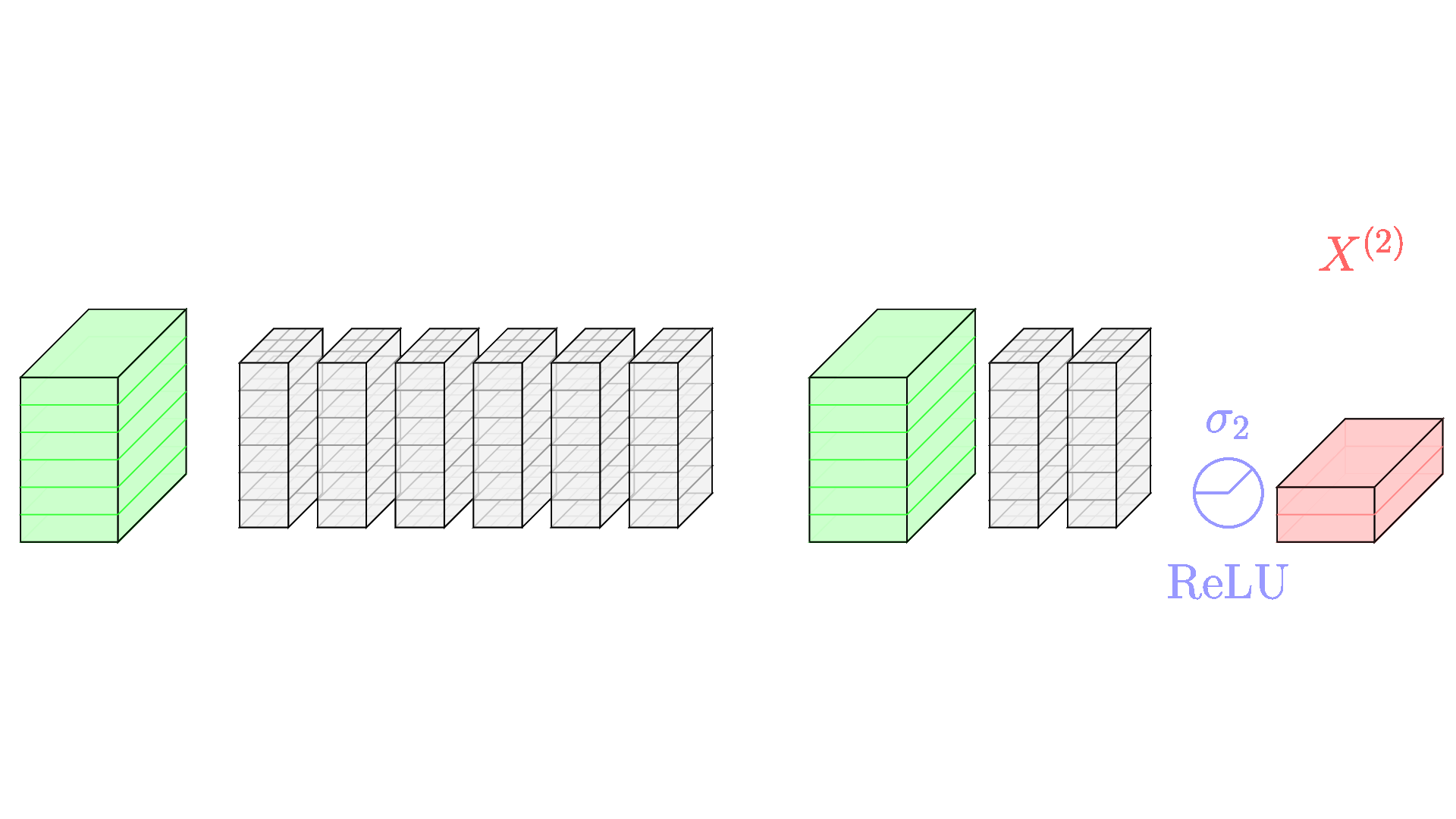
Efficient Latency-aware CNN Depth Compression via Two-stage Dynamic Programming
J. Kim, Y. Jeong, D. Lee, H. O. Song
- Formulated a subset selection problem that replaces inefficient activation layers with identity functions.
- Solved a surrogate objective via two-stage dynamic programming.
- AISTATS 2022first author
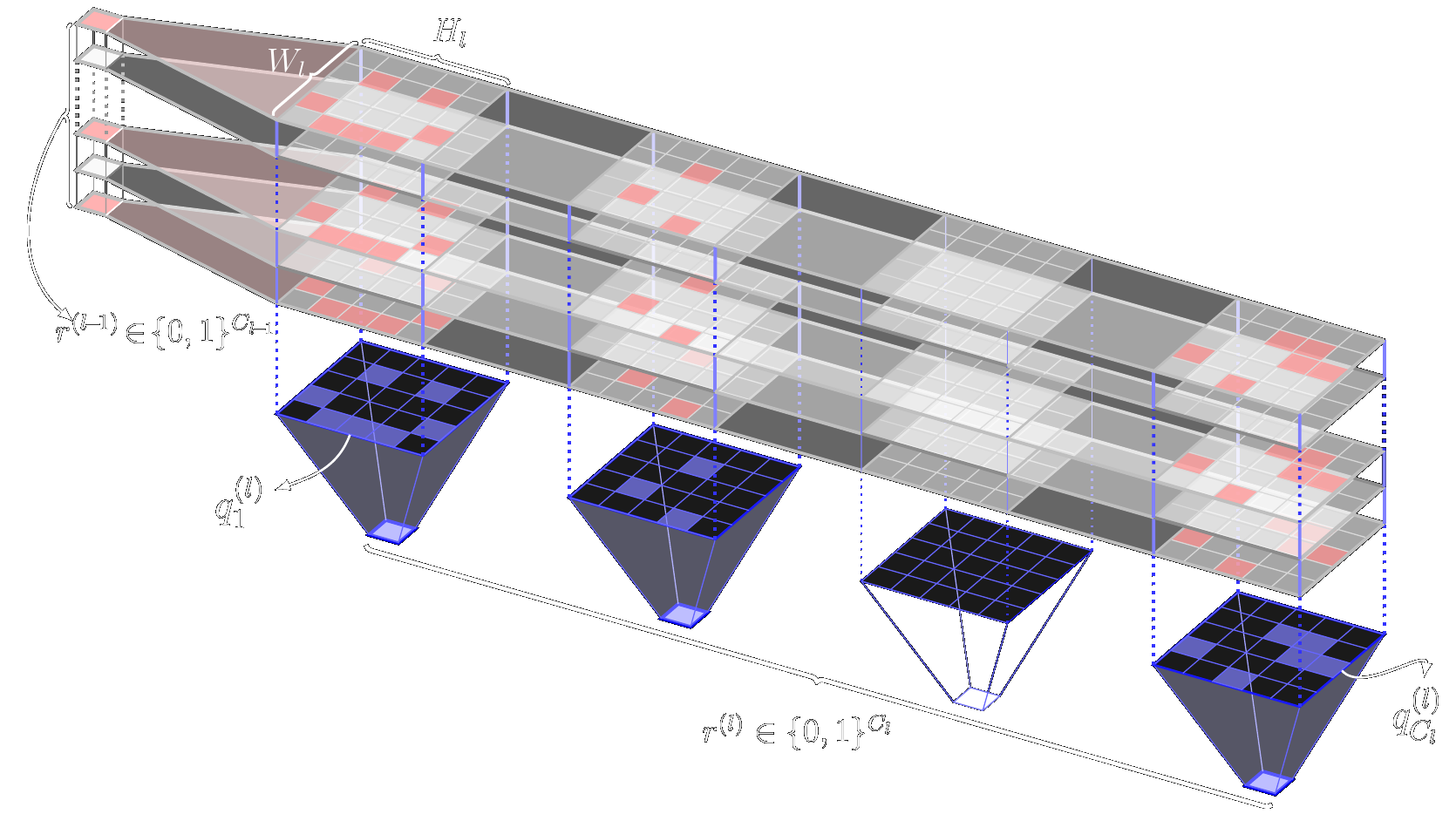
Optimal Channel Selection with Discrete QCQP
Y. Jeong, D. Lee, G. An, C. Son, H. O. Song
- An optimal channel selection method cast as a discrete quadratically constrained quadratic program.
- ICML 2019first author
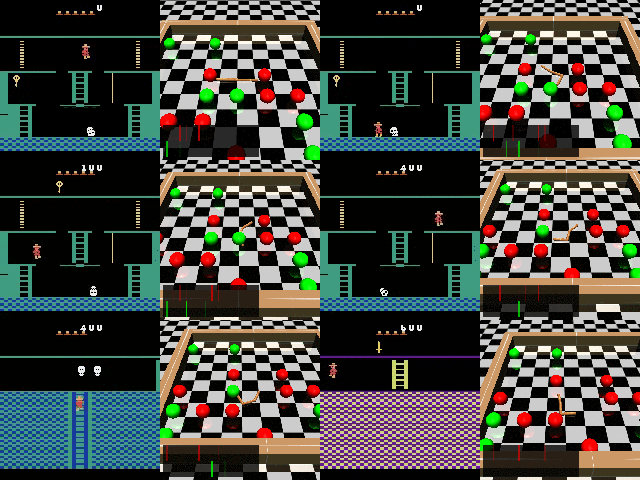
Learning Discrete and Continuous Factors of Data via Alternating Disentanglement
Y. Jeong, H. O. Song
- An efficient procedure that implicitly penalizes total correlation by controlling information flow between latent variables.
- Jointly learns discrete and continuous latent factors in an alternating maximization framework — treating disentanglement as a structural prior for interpretability.
- CVPR 2019first author
End-to-end Efficient Representation Learning via Cascading Combinatorial Optimization
Y. Jeong, Y. Kim, H. O. Song
- An end-to-end learning algorithm with significantly increased quantization granularity.
- Keeps computational complexity practical through hierarchically quantized representations.
- ICML 2018first author
Efficient End-to-end Learning for Quantizable Representations
Y. Jeong, H. O. Song
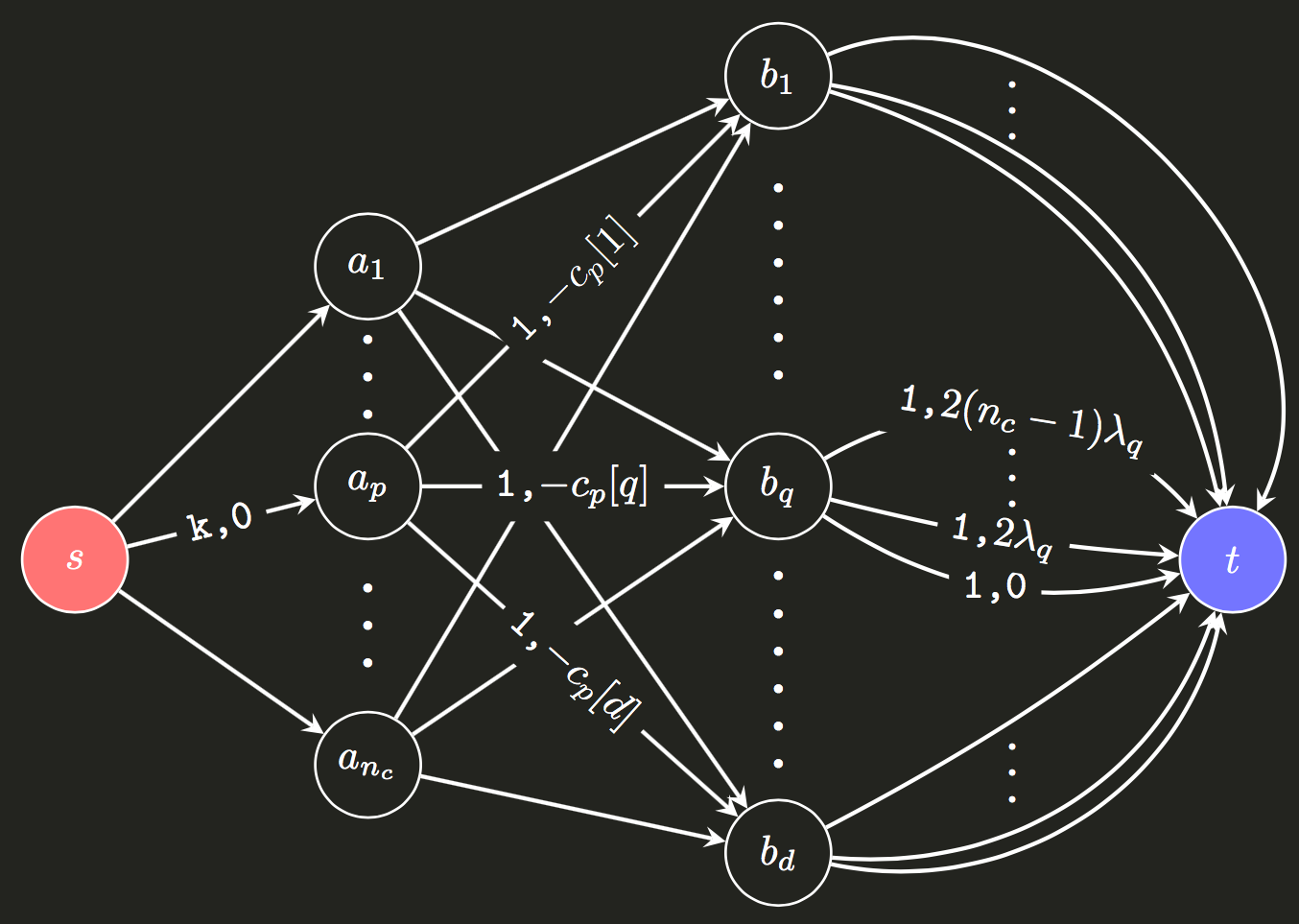
- Formulated the search for an optimal sparse binary hash code as a combinatorial optimization problem.
- Solved it as a minimum cost flow problem for efficient representation learning.